
For small and medium-sized businesses, competing with larger enterprises has always meant doing more with less. Limited marketing budgets, smaller teams, and fewer data resources make scale difficult. But AI-driven personalization is shifting that balance.
Historically, Fortune 500 companies built massive analytics departments to personalize customer experiences. Today, AI lets small businesses interpret data, predict needs, and adapt instantly.
Here's how SMBs can leverage AI personalization to compete more effectively.
How AI Can Boost SMBs Against Larger Competitors
Large enterprises benefit from brand recognition and extensive datasets. However, SMBs hold a different advantage: proximity to their customers. They often understand their audience deeply but lack the tools to operationalize that insight at scale.
Modern systems use machine learning (algorithms that identify patterns in historical data) to predict what customers want next.
Research in AI-driven personalization highlights how predictive models rely on probability scoring. For example, a system might assign a likelihood score that a customer will repurchase within 30 days. That score then triggers automated, personalized outreach.
For SMBs, this means:
- Fewer wasted marketing impressions
- Higher conversion rates
- Stronger retention
Personalization shifts the competitive battlefield from who shouts loudest to who understands their market best.

AI Hyper-Personalization: Turn Customer Data & Profiles into Insights & Strategy
Hyper-personalization goes beyond inserting a customer’s first name into an email. It uses real-time behavioral data, predictive analytics, and dynamic content generation to adapt experiences continuously.
At its core, AI-driven personalization works through data aggregation, model training, and automated execution. Customer interactions feed into algorithms that continuously refine predictions.
Behavioural Tracking
Behavioral tracking refers to collecting data about how users interact with digital touchpoints. This includes website clicks, scroll depth, purchase timing, email opens, abandoned carts, and support inquiries.
AI systems transform this raw behavioral data into structured signals. For instance:
- Repeated visits to a product page signal purchase intent.
- Late-night browsing may indicate different buying motivations.
- Frequent searches for a feature suggest unmet needs.
Machine learning models analyze these patterns across many users to identify correlations. Over time, the system learns which behaviors precede conversions, churn, or upsells.
For SMBs, behavioral tracking allows marketing and operations decisions to move from intuition to evidence.
Tailored CX Modification
Customer experience (CX) modification refers to dynamically adjusting what a customer sees or receives based on AI predictions.
This can include:
- Personalized homepage banners
- Product recommendations
- Customized pricing offers
- Individualized onboarding flows
Technically, this often involves recommendation engines. These systems use collaborative filtering (comparing similar users) or content-based filtering (matching users to similar product attributes). Increasingly, generative AI enhances this process by creating adaptive copy or product descriptions aligned with individual preferences.
For SMBs, tailored CX modification ensures that limited website traffic is maximized. Each visitor sees a version of the experience optimized for their behavior profile rather than a one-size-fits-all interface.

Predictive Business Intelligence Recommendations
Predictive business intelligence moves personalization beyond marketing into operations and strategy.
Using historical transaction data, AI can forecast:
- Which customers are likely to churn
- Which segments respond best to discounts
- When seasonal demand spikes will occur
Predictive models operate through pattern recognition and regression analysis—statistical techniques that estimate future outcomes based on past data relationships.
For example, if customers who delay repeat purchases by more than 45 days historically churn, the system can flag similar behavior early. This transforms personalization into proactive engagement rather than reactive marketing.
For SMBs, predictive intelligence reduces uncertainty in decision-making from inventory planning to campaign timing.
Using AI to Tailor Customer Service Responses
Customer service is one of the most immediate applications of AI-driven personalization.
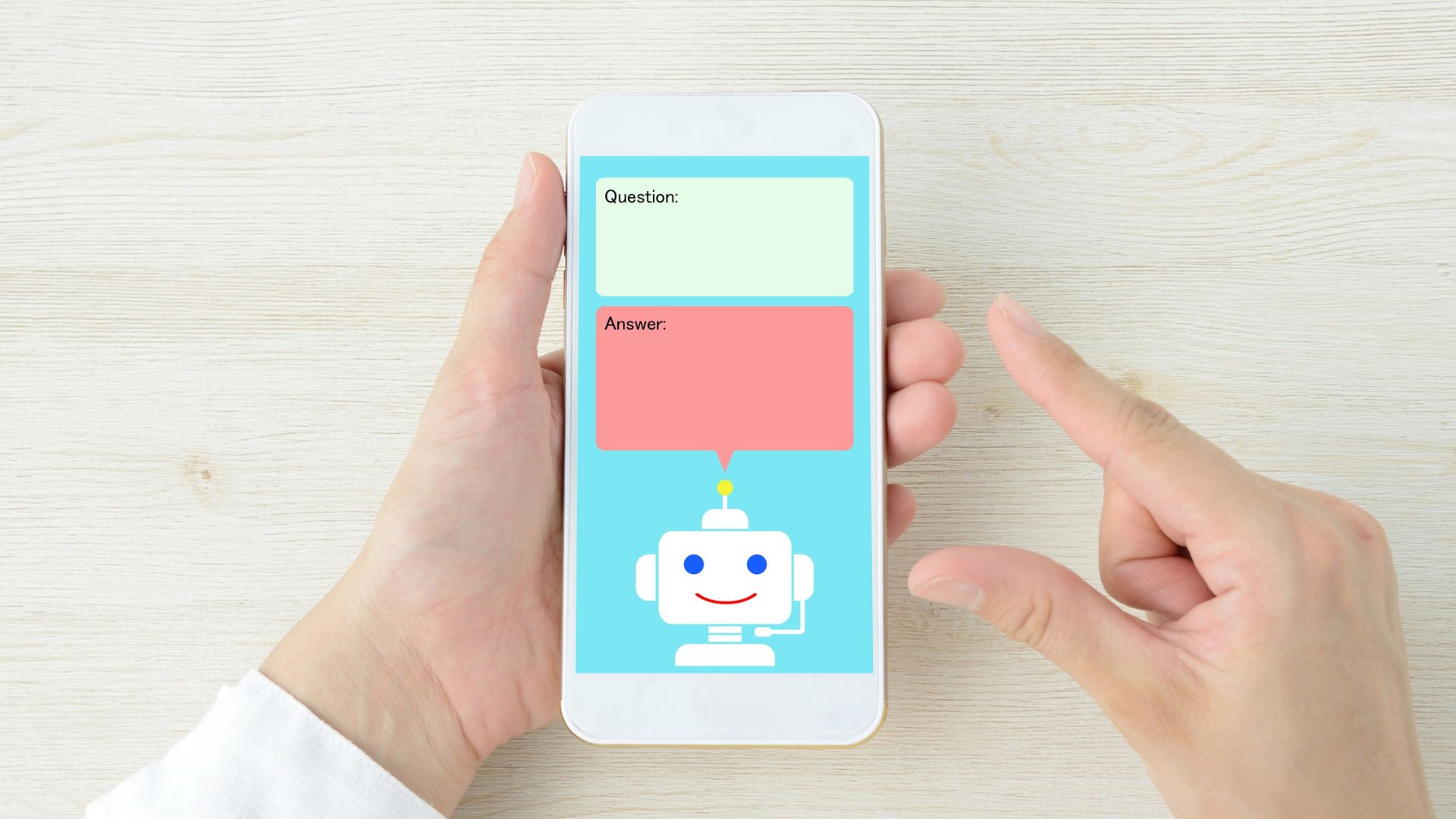
Natural language processing (NLP) allows AI systems to analyze incoming messages and identify intent, urgency, and sentiment. Sentiment analysis evaluates whether language indicates frustration, satisfaction, or confusion.
Instead of sending standardized replies, AI can:
- Suggest context-aware responses
- Pull relevant order history
- Recommend knowledge base articles
- Escalate high-risk interactions
In more advanced systems, generative AI drafts replies tailored to the customer’s tone and interactions, while keeping brand guidelines intact.
For SMBs, this reduces response time without sacrificing personalization. A small support team can handle higher volumes while maintaining the feeling of individual attention.
AI-Enabled Upselling Opportunity Detection
Upselling traditionally relied on sales intuition. AI replaces guesswork with probability modeling.
By analyzing transaction history and browsing patterns, AI assigns “propensity scores” (estimates of how likely a customer is to re-purchase).
For example:
- A customer purchasing entry-level software features may show usage patterns aligned with premium-tier customers.
- Repeat buyers of consumables may respond well to subscription offers.
AI typically identifies these patterns earlier than manual analysis could.
For SMBs, upselling efficiency is critical. Increasing customer lifetime value often delivers stronger returns than acquiring new customers. AI helps pinpoint exactly when and how to present upgrade opportunities.
Dynamic Customer Segmentation
Traditional segmentation divides customers into static categories: age group, geography, or purchase history.
Dynamic segmentation, powered by AI, updates continuously. As new behaviors emerge, customers shift segments automatically.
This is achieved through clustering algorithms—mathematical methods that group customers based on similarity across multiple variables. Unlike static lists, these segments evolve in real time.
For SMBs, dynamic segmentation ensures marketing campaigns remain relevant as customer preferences change. A buyer who moves from occasional browsing to frequent engagement transitions into a higher-priority segment without manual intervention.
This adaptability transforms personalization from periodic campaign planning into an always-on strategic engine.
Personalization as Competitive Strategy
AI-driven personalization is no longer reserved for enterprise giants. It is crucial for SMBs that institute and streamline AI successfully.
In a market where customer attention is scarce, personalization is not just a marketing tactic. It is a competitive strategy rooted in data, technology, and smarter decision-making.